Journal
Remanufactured, Refurbished, or Used? What the Words Actually Mean
'Used,' 'refurbished,' and 'remanufactured' get used interchangeably — but they describe very different products, warranties, and outcomes. Here's how to read the difference before you compare quotes.
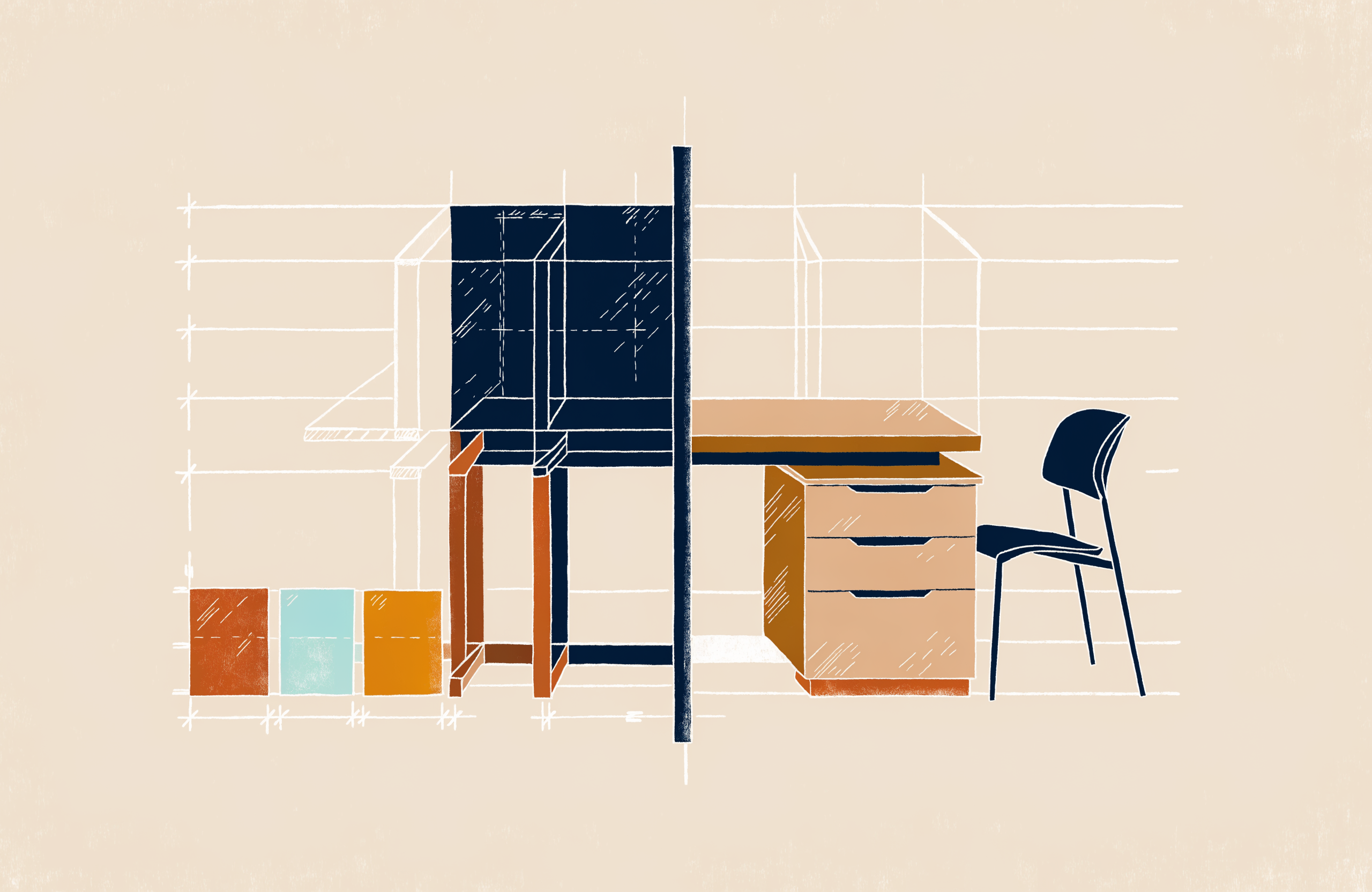
Put two quotes side by side for what looks like the same pre-owned Steelcase workstation and the prices can differ by thousands. The reason usually isn't the furniture in the photo — it's the word in front of it. “Used,” “refurbished,” and “remanufactured” are treated as synonyms across much of the office-furniture market, and they are not. Each describes a different amount of work, a different warranty, and a different service life. If you're specifying for a floor you'll keep for a decade, the distinction is the whole decision.
Used, or “as-is”
Used furniture is sold in the condition it was pulled from its last office. It may be cleaned and inspected for gross defects, but it isn't restored — the wear, the scuffs, and the mileage on the mechanisms come with it. Priced accordingly, as-is furniture has a place, especially for short-term or low-visibility needs. What it doesn't carry is any assurance about what happens next: there's typically no meaningful warranty, because no one has re-established the product to a known standard.
Refurbished or reconditioned
“Refurbished” lives in the middle, and it's the term that causes the most confusion because it covers so much ground. At its most common, refurbishing is cosmetic: the piece is cleaned, worn fabric might be replaced, surfaces touched up, hardware tidied. The result can look markedly better — but the work stops at the surface. There's usually no full teardown and no part-by-part inspection, so anything wrong beneath the finish travels with the product. Warranties, where they exist, tend to be short and limited.
Remanufactured
Remanufacturing is a different category of work. The product is dismantled down to its frame; every part is inspected; anything repairable is repaired and anything beyond repair is replaced with a component equal to or better than the original; the whole system is refinished and reassembled to a standard indistinguishable from new — and it is warrantied like new. That last point is the tell. A full warranty is only possible because the product has been brought back to a defined, verifiable specification, not merely improved in appearance.
This is why the frame matters. Roberts selects durable, steel-framed systems from Steelcase, Herman Miller, and Haworth precisely because the frame is the part engineered to outlive everything bolted to it. Remanufacturing keeps that frame in service and rebuilds around it — which is also where the value comes from. A remanufactured system meets the same specification as new at a fraction of the cost, with none of the guesswork of buying used.
What NC3R registration signifies
The industry has a standard for exactly this distinction, maintained by the National Center for Remanufacturing & Resource Recovery (NC3R). Roberts is one of the few NC3R-registered office furniture remanufacturers in the United States — a process credential, not a marketing badge. It means the remanufacturing is performed to a documented standard rather than defined case by case, which is precisely what lets a remanufactured system be specified with the same confidence as new.
The practical takeaway
When you compare offers, read past the adjective. Ask what was actually done to the product, and ask what warranty backs it — the two answers are linked. Used furniture buys you a price. Refurbished furniture buys you an appearance. Remanufactured furniture buys you a specification you can stand behind for the life of the floor.
Roberts remanufactures Steelcase, Herman Miller, and Haworth systems to a standard indistinguishable from new, backed by a full warranty. To spec a project or compare it against a new-furniture quote, request a quote or call (315) 451-9185.